

From cooking fumes to cleaning products, Indian families have exposure to too many toxic elements every day. While researching Warren Phillips’ groundbreaking book “Non Toxic Living,” I became convinced we need to change how we live! With 2 million Indians dying annually from air pollution, the time for change is NOW.
Warren Phillips: Non-Toxic Living Expert
Warren Phillips isn’t just another wellness guru. He’s a Master of Science in Geology who spent 9 years as an environmental consultant, literally cleaning up chemical disasters. But here’s the twist – his own work made him desperately sick.
- Chronic pain. Anxiety. Fibromyalgia. Insomnia.
- Sound familiar? These symptoms plague millions of Indian families today.
Phillips discovered his illness came from toxic exposure during environmental cleanup work. After 5 years of healing using natural methods, he became the “Non-Toxic Dad” and developed a holistic 5-pillar framework perfect for Indian households.
Why India Needs Non-Toxic Homes
Living in India means fighting a double battle. We face household toxins plus:
- Air pollution 10 times higher than WHO guidelines
- Heavy metals in 20% of Ayurvedic medicines
- Pesticide residues affecting our food supply
- Indoor air pollution from biomass cooking
But here’s the beautiful part – traditional Indian practices already contain non-toxic solutions. Phillips’ book validates what our ancestors knew all along.
5 Non-Toxic Living Pillars
1. Safe Food & Organic Eating
Problem: Indian foods contain hidden toxins from adulterated oils to mycotoxins in milk.
Solution: Start with highest-impact organic changes: cooking oil, spices, daals, and the dirty dozen (most contaminated by pesticide) fruits and vegetables. Grow tulsi, mint, and basil at home. Tomatoes also grow very well in pots (for the balcony gardeners)!
2. Clean Air & Natural Scents
Indian Challenge: 13 of world’s 20 most polluted cities are in India.
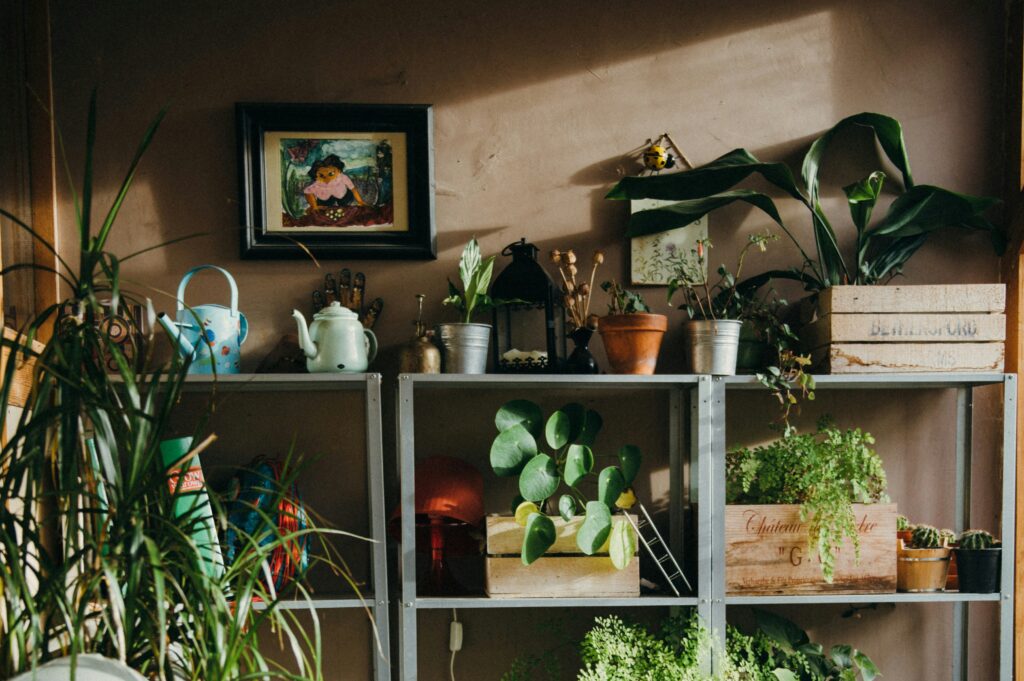
Smart Solutions: Air purifiers in bedrooms, plants that clean VOCs (snake plant, peace lily), steam-distilled essential oils (for fragrance), avoid synthetic incense.
3. Chemical-Free Skincare
Phillips warns against parabens, phthalates, and synthetic fragrances in 80% of all our cosmetics.
Indian Alternatives: DIY scrubs like Ubtan or coconut oil as a moisturizer, natural deodorants (magnesium oil DIY recipe), organic cotton clothes.
4. Toxic-Free Home Environment
Traditional Wisdom: Use natural detergents, or DIY options like vinegar and baking soda for cleaning. Choose low-VOC paints when repainting.
5. Gradual Home Detox
Replace products as they finish, start with one room, focus on high-impact changes first.
Non-Toxic Product Swaps
Safe Cookware & Kitchen
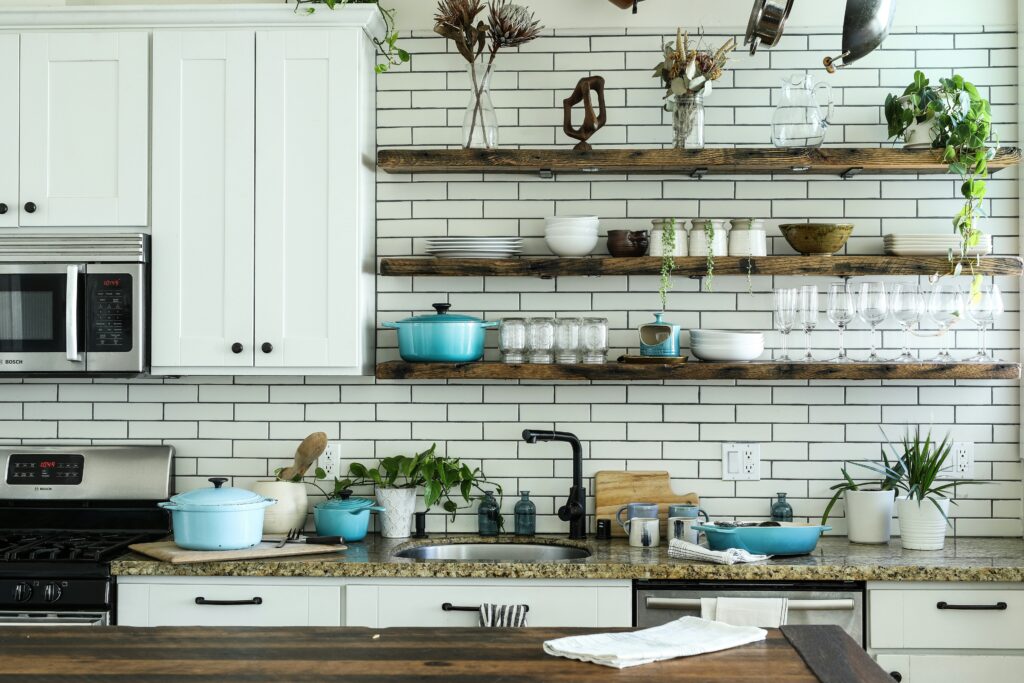
- Non-stick Teflon → Stainless steel/cast iron (prevents Teflon flu)
- Plastic containers → Glass/steel (stops BPA leaching, especially to store acidic foods)
- Plastic utensils → Wood/steel (eliminates microplastics)
Natural Personal Care
- Aluminum deodorants → Natural alternatives (reduces health risks)
- PVC shower curtains → Cotton curtains or Glass door (eliminates VOC off-gassing)
- Bedside electronics → 3+ feet away (improves sleep quality)
DIY Cleaning Solutions
- Chemical cleaners → Vinegar + water (safer for lungs)
- Synthetic air fresheners → Essential oils (endocrine-safe)
- Bleach toilet cleaners → Baking soda + vinegar (harmless)
Non-Toxic Living FAQs
Q: What are the most toxic products to remove from Indian homes first? A: The kitchen – Start with non-stick cookware, plastic food containers, and chemical cleaning products. These have highest daily exposure and many natural alternatives available in India.
Q: Are non-toxic alternatives more expensive than the big brand products in India?
A: In the market- yes, but DIY solutions like vinegar-baking soda cleaners can cost much less. One-time investments like steel cookware last decades. Health costs also you have to think of.
Q: How do I identify really non-toxic products in the Indian market? A: Avoid parabens, phthalates, synthetic fragrances, and BPA. Choose brands listing ingredients transparently. When in doubt, check the brand owner’s commitment and authenticity. Read reviews.
Q: Can non-toxic living help common Indian health issues like allergies? A: Yes! Removing VOCs from cleaners and plastic toxins often reduces allergy symptoms within weeks. This matters more in polluted Indian cities where indoor air quality is crucial.
Q: How long before I see my family’s health improving from non-toxic living? A: Most people notice better sleep, energy, and fewer virals within 1-2 months. Significant changes in chronic issues may take 6-12 months as your body detoxifies, and being consistent matters!
Key Non-Toxic Home Tips
- Start small – Replace one product at a time
- Think local – Indian ingredients are often the best solutions
- Traditional wisdom works – Ayurvedic practices align with non-toxic living
- Budget-friendly options exist – DIY solutions make it affordable
- Health is wealth – Prevention costs less than illness
The bottom line: Warren Phillips’ “Non Toxic Living” perfectly complements Indian lifestyle and values. In a country where traditional knowledge meets modern challenges, this book offers the roadmap to reclaim your family’s health. A must read for a deep dive into our toxic living environment!
Your journey to a non-toxic home starts today. Your family’s future depends on it.