
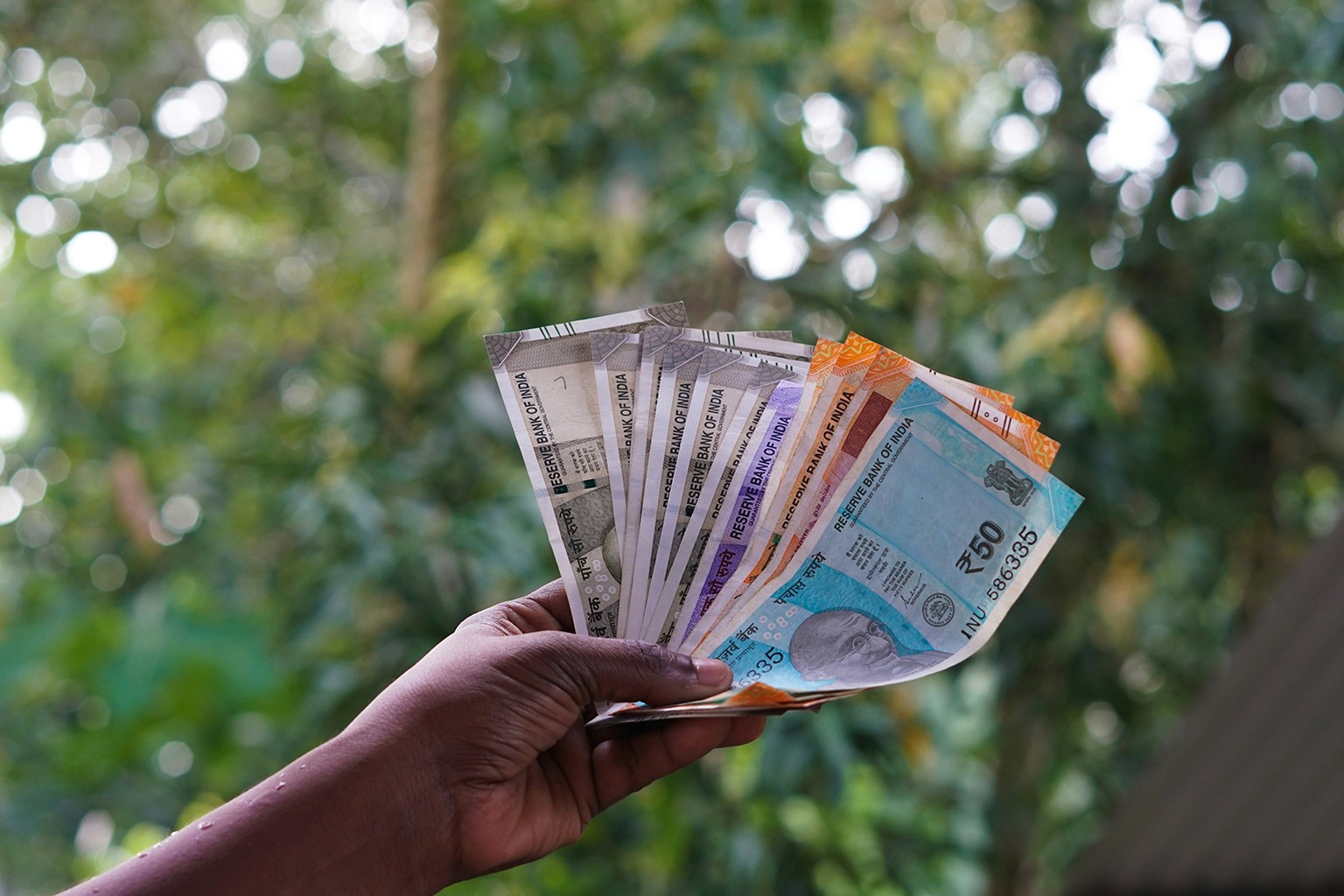
I used to hand over cash at the kirana store without thinking twice.
Temple visits. Buying fruits. Parking tickets. Chai breaks.
That crumpled ₹10, ₹20 and ₹50 note would just… travel through my hands all day long.
Until I saw a lab test on Instagram!
In a December 2025 Instagram reel, microbiologist Dr. Shweta (MBBS, MD) cultured a single ₹50 note. No added bacteria. No manipulation.
She demonstrated multiple fungal colonies growing, including Mucor species and Aspergillus niger — fungi known to cause respiratory and invasive infections.
And I haven’t looked at money the same way since.
What’s Actually Living on Indian Currency Notes
Let’s talk facts.
A study in Bhopal found 93.89% of currency notes tested carried microbes — including Staphylococcus aureus, E. coli, Klebsiella, and Candida species.
Another study from Kolkata during monsoon found 100% fungal contamination in older notes. The most common species? Aspergillus flavus, Aspergillus niger, and other fungi known to trigger respiratory issues and release mycotoxins.
Lower denomination notes — the ones we use daily — had the highest contamination.
Makes sense.
- They move through hundreds of hands.
- India’s heat. Humidity. Sweat.
- Perfect breeding conditions.
Every time we exchange cash, we’re participating in a silent microbial swap.
The Hidden Chemical Layer: BPA in Thermal Receipts
Now here’s the part most people in India aren’t talking about.
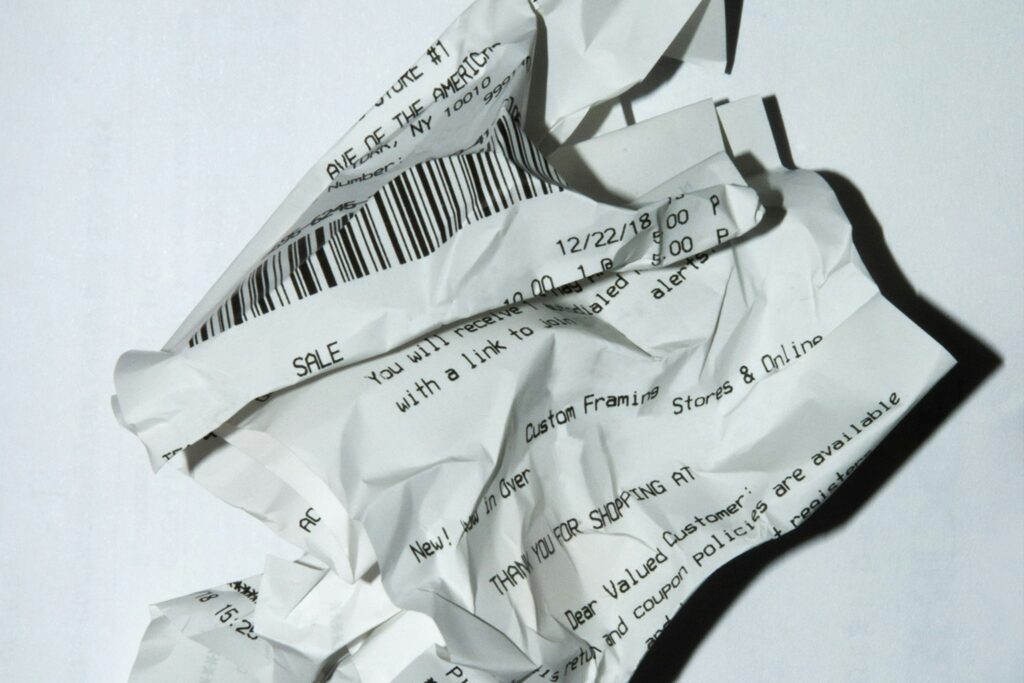
That receipt from the mall or grocery store?
It’s usually printed on thermal paper coated with BPA (Bisphenol A) or its cousin BPS (Bisphenol S).
These are endocrine disruptors.
- They mimic estrogen.
- They interfere with thyroid function.
- And they don’t need to be swallowed to affect you.
- They absorb through skin.
Studies confirm BPA transfers from thermal paper to skin within seconds — and enters circulation largely unmetabolized. Meaning the bioactive form is what your body deals with.
In testing across retail stores, 93% of receipts contained BPA or BPS.
And here’s where it gets worse.
Why Hand Sanitiser Can Multiply Exposure
This genuinely shocked me.
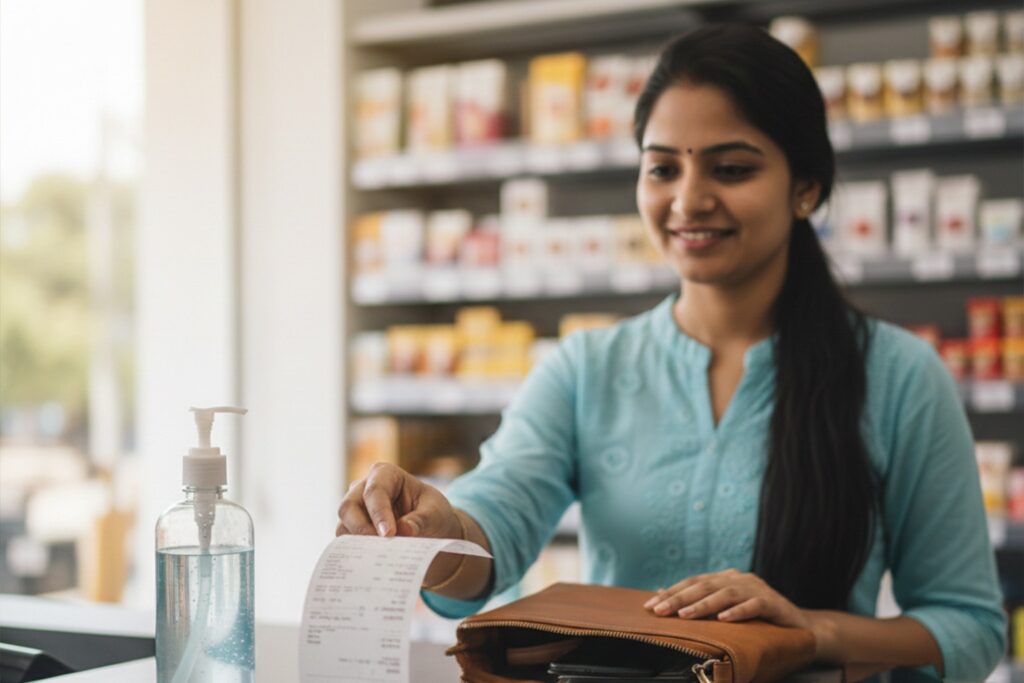
A 2014 study showed that using hand sanitiser before touching a receipt led to 185 times more BPA transfer compared to dry hands.
Why?
- Sanitisers and lotions contain penetration enhancers.
- They temporarily weaken your skin barrier.
Holding a receipt for just 2 seconds after sanitising transferred 40% of the maximum BPA dose.
By 45 seconds? Maximum exposure.
Think about Indian summers.
- Sweaty hands. Moisturiser. Sanitiser at billing counters.
- This isn’t dramatic, one-time exposure.
- It’s low-dose, repeated, daily contact.
And that’s what quietly disrupts hormones over time.
Simple Non-Toxic Swaps (That Don’t Feel Extreme)
This isn’t about fear.
I still handle cash sometimes.
But I’ve built boundaries.
And they’re simple.
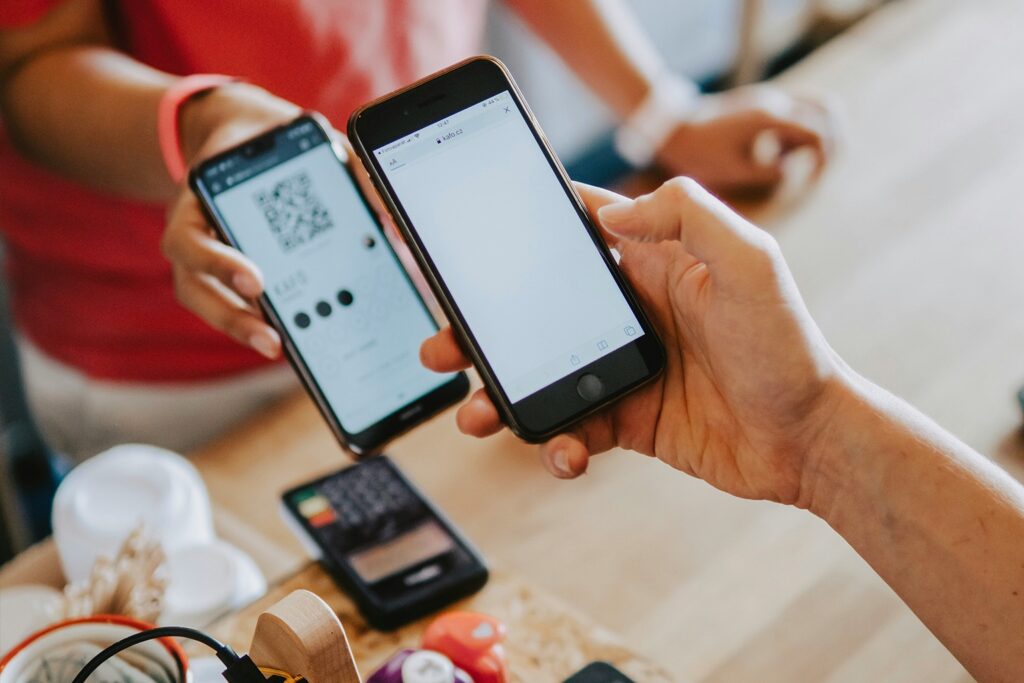
- Use UPI or card payments when possible. It’s faster, cleaner, and India already processes billions of digital transactions monthly.
- Decline printed receipts. Ask for SMS or email versions.
- Never sanitise right before touching receipts.
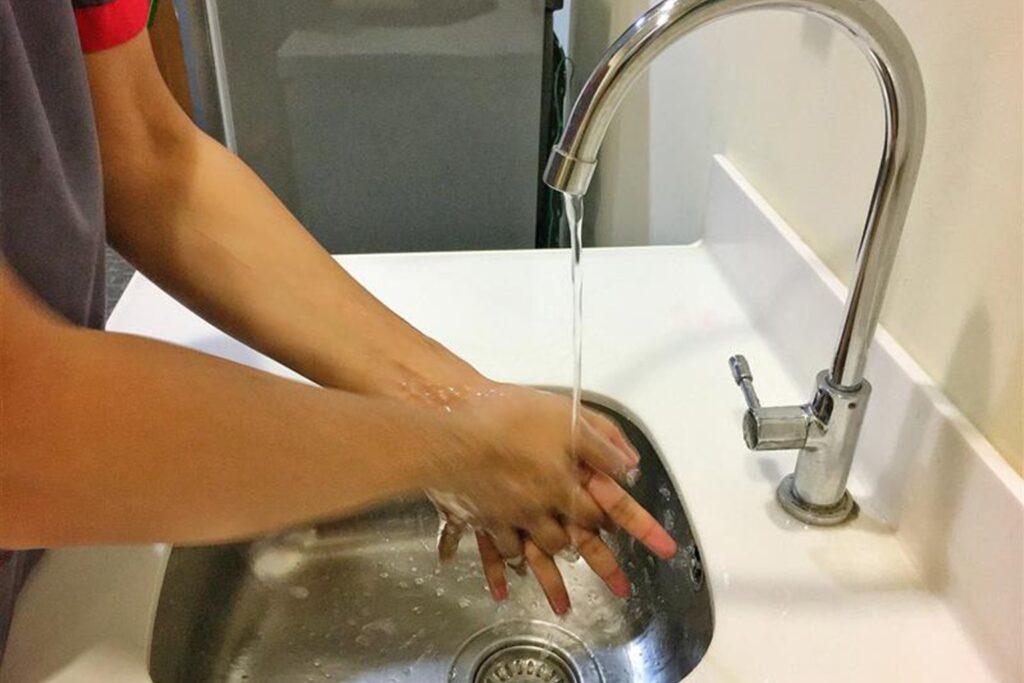
- Wash hands before eating — especially after handling money.
- Keep notes in a wallet. Not loose in your bag. Definitely not near food.
- If you’re a cashier or handle money all day, consider nitrile gloves during peak hours.
Reduction beats paranoia. Every time.
What Non-Toxic Living Actually Looks Like
People imagine non-toxic living as expensive organic groceries and aesthetic glass jars.
That’s the instagram aesthetic! It’s really not.
- It’s awareness.
- It’s noticing the invisible things that touch your skin daily.
- It’s protecting your kids from exposures they don’t even realise are happening.
- I’ve coached dozens of families through home detox swaps.
- And this one — reducing cash handling and thermal receipt exposure — is one of the easiest wins.
- Because you can’t detox what you don’t see.
- But once you see it…
- You can’t unsee it.
What invisible exposure will you reduce this week?
Small shifts, done consistently, quietly change everything.
- Take 2 minutes. Write it down.
- We forget 90% of what we read within 24 hours unless we act on it.
Email yourself a reminder — and cc me at [email protected]
Or DM me on Instagram @vaidehi.yournaturalguide.
Let’s start the conversation.
Citations
- Dr. Shweta (@dr.shweta_throughmylens). (December 2025). “Think you only carry money?? WATCH THIS.” Instagram Reel — Laboratory culture of a ₹50 note showing Mucor species and Aspergillus niger colonies. Instagram.
- Biedermann, S., Tschudin, P., & Grob, K. (2010). Transfer of bisphenol A from thermal printer paper to the skin. Analytical and Bioanalytical Chemistry, 398(1), 571–576.
- Sadawarte, K., & Mahobe, H. (2014). Microbial contamination of Indian currency notes in Bhopal. Gale Academic OneFile.
- Ecology Center. (2018). More Than You Bargained For: BPS and BPA in Receipts. HealthyStuff.org.
- Hormann, A.M. et al. (2014). Holding thermal receipt paper and eating food after using hand sanitizer results in high serum bioactive and urine total levels of bisphenol A (BPA). PLoS ONE, 9(10), e110509.
- Roy, A. (2022). Fungal contamination in the paper currency notes in the public transport of Kolkata city in monsoon. NDC E-BIOS, 2, 1–6.